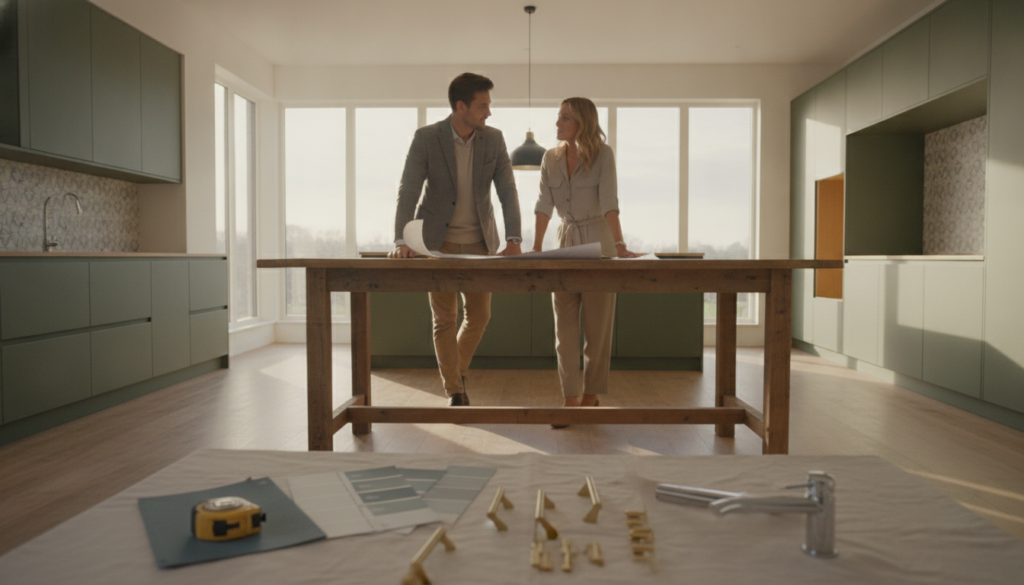
When considering improvements, it’s crucial to understand how your choices can impact your property’s appeal. Balancing personal design preferences with market expectations is key. Every dollar spent on upgrades feels like a gamble, but data-driven decisions can guide you toward high-return projects.
This guide delves into how you can enhance your space while avoiding costly renovations that may not pay off. Surprisingly, simple updates, like a fresh coat of paint, can yield better financial recovery than luxury kitchen renovations. By focusing on the right improvements, you can significantly boost your property’s appeal in a competitive market.
With insights from the 2025 Cost vs Value Report, you’ll learn which enhancements consistently deliver higher returns. Whether you’re planning to sell soon or just want to improve your living space, understanding these factors can help you make informed choices.
Key Takeaways
- Balancing personal style with market trends is essential for smart improvements.
- Data-driven decisions lead to higher returns on investment.
- Simple updates often outperform expensive renovations.
- Focus on enhancements that increase appeal in a competitive market.
- Stay informed with resources like the Cost vs Value Report.
Introduction
The choices you make in renovations play a crucial role in your property’s desirability. Setting clear remodeling goals is the first step toward ensuring your house remains a functional asset that appeals to future potential buyers.
According to Harvard researchers, total spending on home remodeling projects is projected to reach a record high of $524 billion by early 2026. This statistic highlights the importance of thoughtful planning.
Before diving into improvements, evaluate whether your upgrades are for your own enjoyment or aimed at boosting resale value. Many homeowners discover that focusing on high-impact, low-cost enhancements strikes the right balance between immediate benefits and long-term financial gain.
Defining your budget early is essential. It helps you avoid the common trap of over-customizing your home in ways that might alienate future buyers during showings.
Overview of Home Remodel Value
Setting Your Remodeling Goals
Understanding the Home Remodeling Landscape
Renovating your property requires a keen awareness of current trends and market dynamics. With insights from the 2025 Cost vs Value Report, you can navigate the evolving landscape of home improvements effectively. Understanding what buyers want is essential for ensuring your renovations align with market expectations.
Inflation and labor shortages have significantly impacted project costs. As a result, balancing your expenses against potential ROI is crucial. Over-improving your property beyond neighborhood standards can lead to financial pitfalls. It’s important to stay informed about what buyers prioritize.
Today, many are seeking homes that are move-in ready. This trend emphasizes the need for maintenance-heavy upgrades rather than luxury finishes. Economic uncertainties also play a role in shaping buyer preferences, with energy efficiency becoming a top priority.
| Project Type | Average Cost Recouped (%) | Market Trend |
|---|---|---|
| Kitchen Remodel | 70% | High Demand |
| Bathroom Update | 65% | Consistent Interest |
| Exterior Improvements | 75% | Increasing Focus |
| Energy Efficiency Upgrades | 80% | Growing Priority |
Exploring What Adds the Most Value to a Home Remodel
Your renovation choices can shape the desirability of your property in the market. Real estate data consistently shows that exterior projects yield the highest return on investment for homeowners. For instance, a new 16′ × 7′ garage door with insulation and updated hardware costs around $4,500 and typically returns about 194% of that investment at sale.
Analyzing remodeling data helps identify which projects are essential for your property. It’s crucial to distinguish between upgrades that enhance structural integrity and those that are purely aesthetic. Experts suggest that prioritizing projects addressing common buyer objections, such as outdated systems or visible wear, can significantly maximize your home’s appeal.
| Project Type | Average Cost Recouped (%) | Market Trend |
|---|---|---|
| Garage Door Replacement | 194% | High Demand |
| Bathroom Update | 65% | Consistent Interest |
| Energy Efficiency Upgrades | 80% | Growing Priority |
Boosting Curb Appeal with Exterior Improvements
Improving your property’s exterior can greatly enhance its appeal. This is essential for attracting potential buyers and increasing overall interest. One of the simplest yet effective ways to achieve this is through a fresh coat paint application. A well-executed paint job can modernize your home instantly.
Additionally, upgrading your siding can be a smart investment. Replacing 1,250 square feet of siding with fiber-cement planks costs around $20,600 and can return about 88% at resale. This not only boosts your home’s aesthetics but also its durability.
Another key focus should be on your doors. A steel entry door with a half-glass panel costs about $2,400 and offers a remarkable return of roughly 188%. This signals security and a modern aesthetic to potential buyers.
Your garage door also serves as a major focal point. Installing a new one can significantly enhance curb appeal while providing protection against the elements. Remember, first impressions matter!
Enhancing Interior Spaces for Maximum Impact
Making thoughtful changes in your kitchen and bathroom can elevate your property’s appeal. These areas are crucial for attracting buyers and can significantly influence your sale price.
A minor kitchen remodel costs around $27,500 and returns about 96% when you sell. Focus on updates like cabinet doors, countertops, and energy-efficient appliances to create a modern look.
In the bathroom, a mid-range remodel that replaces the tub, tile surround, vanity, toilet, and fixtures costs about $25,000. This can yield a return of roughly 74% of the cost.
Prioritize improvements that create a cohesive aesthetic. For instance, installing stainless steel appliances and updating cabinet hardware in the kitchen can make a big difference.
Small updates in the bathroom, like new faucets and fresh grout, can enhance cleanliness perception. These interior improvements are effective because they address the most-used rooms in your home.
Upgrading Energy Efficiency and Reducing Utility Bills
Enhancing energy efficiency in your property is a smart move that pays off in multiple ways. Not only does it lower utility bills, but it also makes your home more appealing to potential buyers. As energy costs rise, many homeowners are looking for improvements that provide long-term savings.
One effective upgrade is replacing old windows with new vinyl models. This project costs around $21,000 and can return about 67% at resale. It significantly boosts your home’s energy efficiency while enhancing its overall appearance.
Another worthwhile investment is converting a traditional furnace to an electric heat pump. This upgrade costs approximately $18,800 and can return over 100% of the investment, especially with available federal tax credits. Modern HVAC systems alleviate buyer concerns about potential costly repairs shortly after moving in.
With 61% of recent home shoppers prioritizing energy efficiency, these upgrades are not just beneficial—they’re essential. Proper insulation combined with energy-efficient windows can lower monthly utility bills, making your property stand out in a competitive market.
Integrating Smart Home Technology for Modern Living
In today’s market, incorporating technology into your living space can set your property apart. Smart home systems not only enhance convenience but also attract tech-savvy buyers. For instance, a smart thermostat, which costs between $200 and $300, can reduce energy consumption by 10-15%. This is an attractive feature for potential homeowners looking to save on utility bills.
Moreover, modern buyers often consider security features essential. Items like security cameras and video doorbells provide peace of mind while adding significant appeal. Installing smart appliances can also elevate your home’s functionality, allowing for remote control of daily energy use.
These upgrades signal that your residence is contemporary and well-maintained. This helps differentiate your property from older, less updated listings nearby. Investing in smart technology is a cost-effective way to modernize your space without the need for extensive renovations.
Achieving Quick Wins with Minor Remodel Projects
Strategic minor remodels can create a lasting impact on your property’s desirability. Focusing on small improvements can lead to significant returns when enhancing your living space. For instance, adding insulation to your attic is a cost-effective upgrade, often under $2,000, and can return 100% or more of the cost at resale.
Another effective option is cabinet refacing. This project costs 30-50% less than installing new cabinets while completely transforming your kitchen’s appearance. It’s a smart way to modernize without breaking the bank.
Simple DIY projects, such as updating light fixtures or replacing cabinet hardware, provide a high-impact way to refresh your home for minimal cost. You can achieve quick wins by focusing on these small improvements that signal to buyers that the home has been well-maintained and cared for.
These minor projects are ideal for homeowners who want to increase their home value without the disruption of a full-scale renovation process.
Creating Inviting Outdoor Living Spaces
Outdoor living areas are becoming increasingly important in today’s housing market. Enhancing these spaces can significantly boost your home’s appeal and overall value. By investing in projects that create inviting environments, you can attract potential buyers looking for more than just a house.
One effective improvement is adding a deck. A 16′ × 20′ pressure-treated wood deck costs around $17,600 and typically returns about 83% of that investment at resale. This feature creates an excellent space for outdoor entertainment and relaxation.
Another valuable project is finishing a basement. This upgrade costs between $30,000 and $50,000 and can yield a return of up to 86%. It adds usable square footage, making your house more appealing to buyers.
Atlanta real estate agent Leighann Russell emphasizes that finishing a basement can elevate your home into a higher price bracket. With 23% of the U.S. workforce working from home in late 2025, dedicated indoor or outdoor office spaces are highly desirable.
Creating seamless transitions between indoor and outdoor living spaces is also a top trend. This approach maximizes your home’s perceived value and enhances its overall functionality.
| Project Type | Average Cost | Return on Investment (%) |
|---|---|---|
| Wood Deck | $17,600 | 83% |
| Basement Finish | $30,000 – $50,000 | Up to 86% |
| Outdoor Office Space | Varies | High Demand |
Financing Your Home Improvements Wisely
Understanding how to fund your improvements is vital for maximizing your investment. One effective method is utilizing a home equity line of credit (HELOC). This allows you to borrow against your home’s value at a variable interest rate, making it a flexible option for renovations.
Before committing, carefully consider the total cost of financing. Ensure that interest payments do not negate your potential returns. Some homeowners find success using credit cards with 0% APR promotional periods for smaller projects, as long as they can pay off the balance before interest accrues.
A cash-out refinance is another strategy worth considering. This replaces your existing mortgage with a larger one, providing cash for your renovation projects. Always evaluate your financial situation before starting major improvements. This helps ensure you have the liquidity to handle unexpected costs during the process.
Avoiding Common Remodeling Pitfalls
Avoiding common pitfalls in renovations can save you time and money. Many homeowners unknowingly make choices that detract from their property’s appeal. Understanding these mistakes can help you steer clear of costly errors.
For instance, installing a large pool can cost between $50,000 and $100,000, yet it often fails to provide a positive return on investment in many suburban markets. Over-customization is another issue; using high-end imported tile throughout your house can alienate buyers who prefer a more neutral design.
Additionally, converting a garage into a living space removes essential parking and storage, which most buyers expect. It’s also wise to avoid upgrades that are significantly more expensive than those found in comparable homes in your neighborhood. Instead, focus on classic, neutral materials that appeal to a wide range of buyers.
| Common Pitfalls | Impact on Value | Recommendation |
|---|---|---|
| Large Pool Installation | Negative | Consider alternatives |
| Over-Customization | Negative | Choose neutral designs |
| Garage Conversion | Negative | Maintain parking space |
| Expensive Upgrades | Negative | Stay within neighborhood standards |
Staying Aligned with Local Real Estate Trends
Aligning your renovations with local real estate trends can significantly enhance buyer interest. Gina Baum, a top real estate agent in northern Maryland, points out that even small touches, like replacing a dented mailbox, can influence how buyers perceive your house.
Staying in tune with local trends ensures that your home improvements meet the expectations of buyers active in your market. Consulting with a local professional can help you determine if your planned renovations align with the standards of other homes in your area.
Understanding the demographics of your local market can also guide your choices. This insight helps you decide whether to prioritize features like home offices or energy-efficient lighting and appliances.
Remember, a house that is over-improved for its neighborhood may sit on the market longer. Buyers will often compare its price to more affordable alternatives nearby.
| Consideration | Impact on Buyer Perception | Recommendation |
|---|---|---|
| Dented Mailbox | Negative | Replace for better appeal |
| Local Market Trends | Positive | Stay informed |
| Over-Improvement | Negative | Align with neighborhood |
Expert Tips for Prioritizing Home Remodel Projects
Prioritizing your remodeling projects can significantly influence your home’s appeal and marketability. Start by collaborating with experienced contractors who can guide you through the process. Their expertise is essential for managing both your budget and the schedule of your remodel projects.
According to the National Association of Home Builders (NAHB), focusing on structural integrity and safety should come first. Cosmetic improvements can wait until you ensure your home is safe and sound.
Creating a detailed plan for your improvements is vital. This plan should account for potential overages, especially when dealing with older properties. By prioritizing projects based on their potential ROI, you can focus your budget on upgrades that effectively increase home value.
Lastly, consider scheduling your remodel projects during the off-season. This can lead to better pricing and increased availability from high-quality local contractors.
Planning for Long-Term Value and Resale Success
Focusing on durability and design can elevate your home’s desirability for years to come. The National Association of Realtors (NAR) 2025 Remodeling Impact Report tracks both ROI and Joy Scores, helping homeowners evaluate their renovation decisions.
When you prepare to sell your home, consider these essential points:
- Planning for long-term value means choosing durable materials that will maintain their appearance and functionality for many years after your home improvements.
- Focusing on projects that address deferred maintenance will help you achieve a higher resale value at closing.
- You can make your home more appealing by ensuring that all your upgrades are cohesive and reflect a consistent design style throughout the property.
- Successful resale value depends on your ability to present a well-maintained house that allows buyers to envision themselves living in the space immediately.
Conclusion
Approaching renovations with a clear strategy can significantly enhance your property’s marketability. Maximizing your home value requires balancing personal needs with market demands. Focus on high-ROI projects like garage door replacements and minor kitchen updates to ensure your investment pays off at resale.
Always prioritize essential repairs and structural integrity before cosmetic enhancements. Staying informed about local trends and consulting with professionals can help you avoid common pitfalls that may limit your financial return.
Ultimately, the best improvements are those that provide immediate joy and long-term equity, creating a space you love to live in.