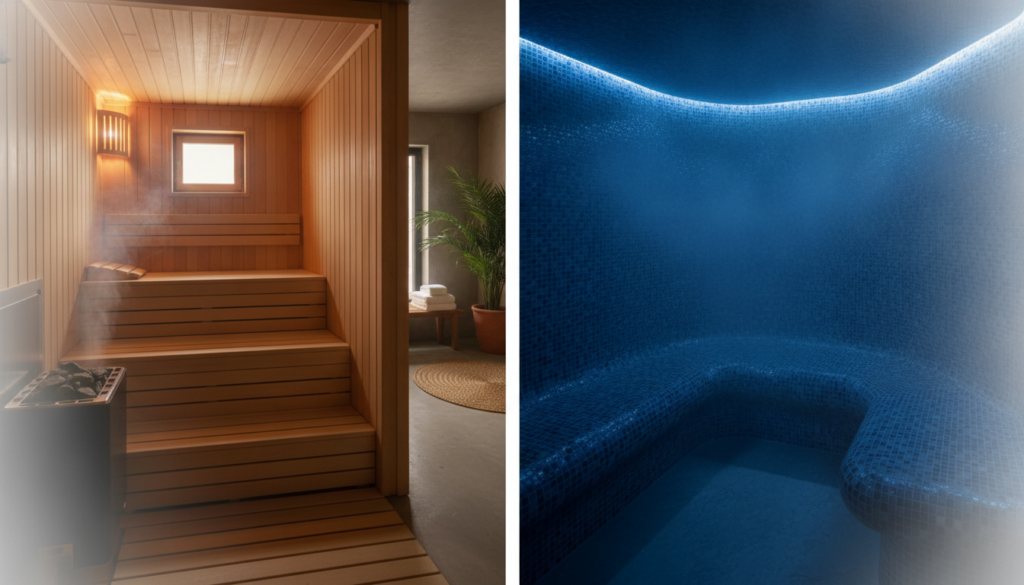
Choosing between a sauna and a steam setup can be a tough decision. Both offer unique benefits, but understanding their differences is crucial. Dry heat from a sauna contrasts with the warm, moist environment of a steam space. This distinction impacts your wellness experience significantly.
Many homeowners often find themselves confused about which option aligns with their health goals. This guide will help clarify the core differences in technology and installation requirements. You’ll learn about maintenance needs and health outcomes associated with each type.
Whether you seek muscle recovery or respiratory relief, this article provides the insights you need. By examining how each system delivers heat, you can navigate the complexities of creating a wellness space in your residence.
Key Takeaways
- Understanding the physiological impacts of dry versus wet heat is essential.
- Explore core differences in technology to find what fits your wellness goals.
- Many struggle to choose the right setup, often confusing the benefits.
- This guide covers installation, maintenance, and health outcomes.
- Prioritize your needs, whether it’s muscle recovery or respiratory relief.
- Examine heat delivery methods to create a professional-grade wellness space.
Sauna vs Steam Room for Home: Understanding the Basics
The contrast between dry and moist heat can significantly influence your relaxation experience. While many people use the terms interchangeably, it’s important to recognize that the core difference lies in how heat and humidity are delivered.
Dr. Samuel Mathis, M.D., explains that both environments aim to elevate your core body temperature. However, the effects on your body can vary greatly. Understanding these differences is essential for your wellness routine.
Saunas typically utilize dry heat, creating a unique atmosphere that can help with muscle relaxation. In contrast, steam rooms offer a moist, steamy environment that can be soothing for the skin and respiratory system.
Integrating either system into your living space requires knowledge of how they function. By evaluating the unique characteristics of each, you can better align your installation with your specific relaxation and recovery needs.
How Heat and Humidity Define the Experience
The way heat and humidity interact can transform your wellness experience. Understanding these elements is essential for maximizing the benefits of your chosen setup.
Dry Heat in Saunas
Saunas use either an electric heater or a wood-fired stove to heat the air to high temperatures. Humidity is controlled by adding water to hot rocks. This method allows you to enjoy the dry heat that promotes muscle relaxation and enhances circulation.
Notably, Finnleo Himalaya heaters can hold over 200 pounds of rocks, ensuring superior heat retention and consistent temperature. This unique setup creates an environment that can significantly impact your wellness routine.
Moist, Steamy Environment in Steam Rooms
On the other hand, steam rooms operate by using a steam generator to pump moisture into a sealed space. They maintain 100% humidity at much lower temperatures than saunas. This moist environment can be particularly soothing for your skin and respiratory system.
Because sweat cannot evaporate in such conditions, the lower temperature feels more intense. Understanding the role of humidity and heat is critical when comparing the two, as these factors define the overall experience and therapeutic benefits.
Proper ventilation and room sealing are essential for both setups to ensure a safe and effective environment for daily use.
Temperature Ranges and Session Durations
Understanding the temperature settings and session durations can greatly enhance your wellness experience. Each type of setup has its own optimal conditions that affect how you feel during and after your sessions.
Typical Sauna Temperatures and Times
Electric setups usually operate between 150-195°F, with most users preferring a range of 170-185°F. This consistent dry heat promotes relaxation and muscle recovery. It’s essential to note that the maximum safe temperature is 194°F, adhering to strict UL certification standards.
Sessions typically last between 15-20 minutes. However, you can adjust humidity levels by adding water to hot rocks, creating a more customized experience.
Standard Steam Room Conditions
In contrast, steam environments maintain a temperature range of 110-120°F. While this is lower than a sauna, the 100% humidity can make it feel more intense. Most users find 125°F to be the upper limit of comfort.
Sessions in steam rooms are generally shorter, lasting around 10-15 minutes. This shorter duration is due to the high intensity of the moist heat, which can lead to quicker dehydration if not monitored.
Health Benefits and Research Insights
Exploring the health benefits of various heat therapies can reveal surprising insights. Research indicates that both types of setups offer unique advantages for your overall wellness.
Dr. Jari Laukkanen’s study of 2,315 men over 20 years showed a significant 50% reduction in cardiovascular death for those who used saunas regularly, four to seven times a week. This suggests that regular heat exposure can greatly improve cardiovascular health.
Moreover, steam rooms can help clear sinus congestion and improve breathing issues, providing temporary relief for people with chronic respiratory symptoms. Both setups also help reduce stress by lowering cortisol levels, promoting a state of deep relaxation.
While sweating in a sauna flushes toxins and enhances skin health, steam rooms provide surface hydration that can be gentler on sensitive skin. Regular use of either can support your fitness goals by enhancing recovery after intense workouts.
Cost, Installation, and Maintenance Considerations
Budgeting for your wellness installation can often be more complex than anticipated. Understanding the initial investment and ongoing costs is crucial for making an informed decision.
Initial Investment and Hidden Costs
DIY pre-cut kits can range from $3,000 to $15,000, while custom setups may exceed $40,000. Steam room generators typically cost between $1,500 and $4,000. Additional expenses may arise from waterproofing and structural modifications.
| Setup Type | Initial Cost | Installation Costs | Maintenance Costs |
|---|---|---|---|
| Sauna | $3,000 – $15,000 | $800 – $2,500 | $0.75 – $1.50/session |
| Steam Room | $1,500 – $4,000 | Varies significantly | $0.50 – $1.00/session |
Long-term Maintenance and Operational Efficiency
Annual upkeep for a sauna is straightforward, involving cleaning and checking the heater. In contrast, steam rooms require more attention, including descaling the generator and resealing surfaces to prevent mold. Investing in quality materials ensures better energy efficiency and longevity.
Historical and Cultural Perspectives
Exploring the cultural roots of heat bathing reveals how ancient practices shape today’s wellness experiences. The Finnish sauna tradition dates back over 2,000 years, evolving from the original smoke sauna to modern electric and wood-fired versions.
In the late 1800s, Finnish immigrants brought this tradition to Minnesota, creating a culture where saunas are viewed as essential. In Finland, these spaces served as sterile environments for childbirth and vital locations for business discussions.
Finnish Sauna Traditions and Evolution
- The sauna has been a central part of Finnish culture, promoting health and relaxation.
- Modern adaptations have maintained the essence of this ancient practice.
- Electric heaters have replaced traditional methods, making it more accessible.
Ancient Steam Bathing and Modern Adaptations
Steam bathing has its roots in the Roman caldarium and Turkish hammam, which were social hubs for politics and relaxation. These practices laid the groundwork for the steam rooms we enjoy today.
- Modern steam rooms emerged in the 19th century, thanks to advancements in steam generation technology.
- They became popular in athletic clubs and spas, emphasizing health benefits.
- Understanding these cultural perspectives highlights the enduring nature of heat bathing in promoting well-being.
Post-Workout Recovery Benefits
After a vigorous workout, many people seek ways to enhance their recovery. Both types of heat therapy offer unique advantages that can significantly improve your post-exercise routine.
Research indicates that moist heat works more effectively than dry heat in aiding muscle recovery. A 2013 study highlighted that steam rooms can help reduce tension and speed up recovery times.
Using a steam room after your workout can help loosen stiff joints and improve flexibility. It’s an excellent addition to your routine, especially on low-intensity recovery days.
Moreover, professional athletes often choose saunas for recovery. The heat enhances blood flow to muscles and accelerates the removal of metabolic waste. As a result, this can help reduce delayed-onset muscle soreness (DOMS).
Remember to stay hydrated when using these facilities. The heat can cause you to lose significant water weight, which is crucial for your overall health.
Usage Guidelines and Safety Concerns
Using heat therapy can be incredibly beneficial, but safety should always come first. Experts recommend limiting your sessions to 15-20 minutes to avoid risks like overheating and dizziness.
Pregnant individuals and those with heart conditions should consult a medical professional before using these facilities. It’s essential to prioritize your health and well-being.
Here are some key precautions to keep in mind:
- Always drink plenty of water before, during, and after your session to prevent dehydration.
- If you feel lightheaded, fatigued, or experience palpitations, exit the sauna or steam room immediately.
- Never consume alcohol before or during your session, as it can impair your body’s ability to regulate blood pressure.
- In steam rooms, wear flip-flops to avoid fungal infections from the moist floor.
- Children should only use these facilities under strict adult supervision.
- If recovering from an infection or surgery, wait until you are fully well before returning to regular use.
Following these guidelines ensures you can enjoy the health benefits of your installation without compromising your physical well-being.
Choosing the Best Option: Sauna vs Steam Room for Home
Determining which heat therapy option is right for you can feel overwhelming. Each choice offers distinct benefits that cater to different needs. Understanding these can help you find the best fit for your wellness journey.
Consider the following:
- Choose a sauna if you enjoy the authentic Finnish experience and want to control both temperature and humidity.
- Opt for a steam room if you have chronic sinus issues or prefer a gentler environment for your skin.
- Think about your available space; a sauna typically needs a dedicated room, while a steam room can often fit into an existing shower.
- If you value health research, the sauna is backed by studies showing cardiovascular benefits.
- Maintenance is key; steam rooms require more cleaning to prevent mold compared to the simpler upkeep of a sauna.
- Many people find joy in installing both, allowing for varied experiences based on mood or recovery needs.
By weighing these pros and cons, you can make an informed decision that aligns with your budget, space, and long-term wellness goals.
Environmental and Home Integration Considerations
When integrating a wellness system into your living space, several factors come into play. Proper ventilation is crucial for a sauna, requiring an intake gap under the door and an outlet vent in the opposite corner. This ensures that air circulates effectively, enhancing your experience.
On the other hand, steam rooms need a completely sealed environment. A sloped ceiling of at least 2 inches per foot is essential to prevent condensation from dripping on occupants. This design choice is vital for comfort and safety.
Make sure your electrical system can handle the load. Most sauna heaters require a dedicated 240V circuit to operate safely and efficiently. For steam setups, the generator must be within 25 feet of the room, with proper drainage for the flush cycle.
Additionally, consider the aesthetic fit of your home. Saunas often feature natural wood finishes, while steam rooms typically utilize tile, stone, or glass surfaces. Consulting with a professional installer is advisable to ensure your home’s foundation can support the weight of a sauna or the waterproofing requirements of a steam room.
Integrating these systems requires careful planning to avoid common mistakes. Inadequate insulation can lead to energy loss and poor performance, affecting both your comfort and health benefits.
Conclusion
In conclusion, both saunas and steam rooms provide significant health benefits. They can enhance cardiovascular health, aid muscle recovery, and reduce stress levels. The choice ultimately depends on your preference for dry or moist heat and your wellness goals.
Saunas offer a versatile experience, backed by research showing long-term cardiovascular improvements. On the other hand, steam rooms are perfect for those seeking respiratory relief and a gentler heat therapy experience.
Regular use, along with adherence to safety guidelines, is essential for maximizing the positive impact on your health. Investing in a wellness space is a commitment to your long-term well-being, creating a sanctuary for recovery and rejuvenation.
We encourage you to visit a showroom to experience both environments firsthand. This will help you select the perfect addition that aligns with your lifestyle.