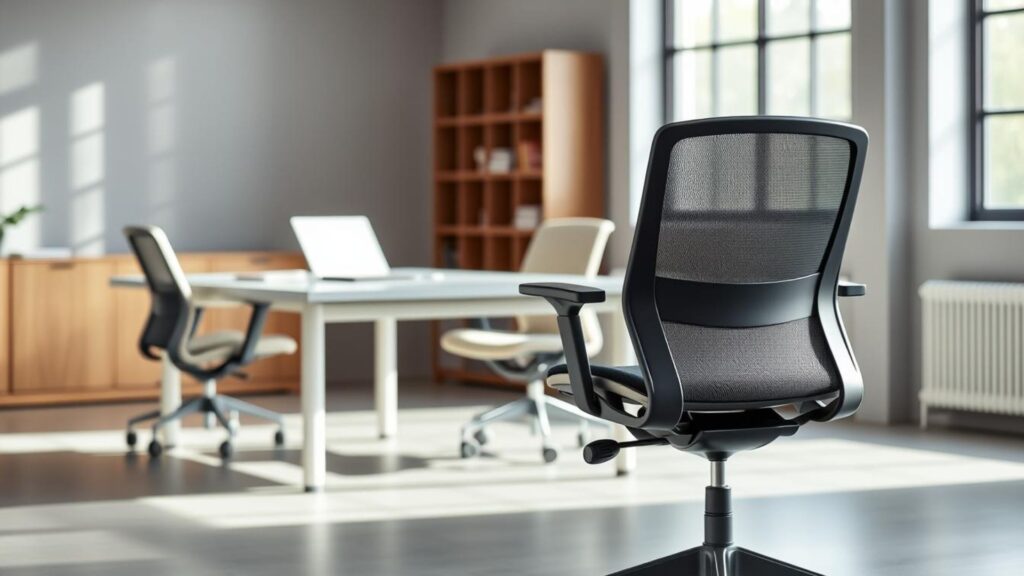
Look, I’ve spent the better part of two decades helping people manage chronic sitting-related pain. Herniated discs. Sciatica flare-ups. That dull, grinding ache in the lumbar region that just… never fully goes away. And if there’s one thing I’ve learned — one thing that keeps proving itself over and over — it’s that the chair you sit in matters more than almost any stretch, supplement, or posture hack combined.
So when we got our hands on the Herman Miller Mirra 2 for extended testing in our own office, I wasn’t just curious. I was genuinely hopeful. We put it through months of real daily use. Not a weekend trial. Not a quick spin in a showroom. Months.
And honestly? This chair earned our highest overall score. It outperformed options that cost significantly more. Our goal here isn’t to sell you on anything — it’s to give you a clear, unfiltered guide rooted in real experience. The kind of honest assessment I wish someone had given me years ago when my own back was screaming at me from a $200 office chair.
This review covers everything. Build quality, adjustability, how the thing actually feels after hour five when your spine starts making its opinions known. You’ll get my genuine take on where it shines and whether it deserves a spot in your daily routine. Let’s get into it.
Key Takeaways
- This review is based on months of hands-on, real-world testing in an office environment.
- The chair we tested received our top score for overall performance and value.
- We provide an independent, affiliate-free assessment you can trust.
- Our analysis covers critical factors like long-term comfort, build quality, and adjustability.
- The goal is to help you decide if this model is a smart investment for your daily needs.
- We write directly to you, offering personal and actionable guidance.
Introducing the Herman Miller Mirra 2
A chair is more than just a place to park yourself for eight hours. Or ten. Or — let’s be real — twelve, if you’re deep in a project and forgot what sunlight looks like. It’s the culmination of years of engineering, biomechanical research, and honestly, a fair amount of artistic vision. When you choose a piece from a legacy brand like Herman Miller, you’re investing in a story that stretches back generations.
Let me give you some context. Herman Miller is a titan in office furniture. Nearly a century of shaping how people work. From humble beginnings in Michigan, this company grew into a global leader, pulling in billions annually. Their transition into creating dedicated workplace solutions didn’t just follow standards — it set them. That commitment to quality and innovation? You feel it. In every joint, every mechanism, every material choice.
But where does the design magic actually happen? Enter Studio 7.5. This Berlin-based collective is the creative force behind the Mirra 2. Their philosophy blends form and function in a way that doesn’t scream for attention — it just quietly solves problems.
Good design solves problems without calling attention to itself.
— Studio 7.5 design philosophy
Studio 7.5 has a portfolio of iconic chairs. Their work is known for intuitive ergonomics and clean aesthetics. They approach each project with a deep, almost clinical understanding of the human body. And I mean that as a compliment — as someone who thinks about spinal mechanics daily, I appreciate designers who do the same.
So what does all this mean for you? It means the Mirra 2 isn’t some accident or marketing exercise. It’s a thoughtfully crafted tool born from serious research and real biomechanical data. The scale of the manufacturer ensures robust construction and consistent quality across every unit.
I want you to trust the heritage behind your potential new seat. Knowing these origins helps you appreciate the thoughtful engineering underneath. It transforms a simple furniture purchase into a confident investment in your daily comfort — and for those of us managing chronic pain, that distinction matters enormously.
Herman Miller Mirra 2: Key Features and Specifications
The true value of an ergonomic chair — and I cannot stress this enough — lies in its measurable features and how they adapt to your body specifically. Not some average body. Not a mannequin. Yours. I’ll translate the technical specs into clear, everyday benefits so you know exactly what you’re getting before you commit a dime.
Core Dimensions and Weight Capacity
Will it fit at your desk? The footprint is a compact 27 inches wide and deep. The backrest adds height, ranging from 38 to 42.5 inches tall. Manageable for most home offices, even the cramped ones.
Personal fit is crucial — maybe the most crucial thing. The seat height adjusts from 16 to 20.5 inches off the floor. This range suits most standard desks and accommodates a wide variety of leg lengths.
You can also fine-tune the Mirra 2 seat depth adjustment. It slides from 16.25 to 18 inches deep. This ensures proper thigh support without pressing behind your knees — a detail that matters immensely if you deal with sciatica or circulation issues in your lower extremities.
The weight capacity is a robust 350 lbs. That speaks to the underlying strength of the frame. The chair itself weighs 42 pounds, giving it a solid, planted feel without being a beast to reposition.
| Specification | Measurement |
| Overall Width & Depth | 27″ x 27″ |
| Overall Height Range | 38″ – 42.5″ |
| Seat Height Adjustment | 16″ – 20.5″ |
| Seat Depth Adjustment | 16.25″ – 18″ |
| Seat Width | 19.25″ |
| Weight Capacity | 350 lbs |
| Chair Weight | 42 lbs |
The TriFlex Back and AireWeave Mesh
This is where things get interesting from a pain management standpoint. The TriFlex Back isn’t a single solid piece. It’s built with three independent panels that flex with your spine. Three separate zones of movement. Think about that for a second.
Your shoulders and lower back can move independently. This mimics your natural motion while you work — reaching for a coffee, leaning to grab a file, shifting because your left side is tighter than your right today. It feels like the backrest is working with you, not fighting you.
Then there’s the AireWeave mesh suspension. If you’ve ever sat in a chair that turns into a swamp by 2 PM, you’ll understand why this matters. It cradles you on a responsive, breathable grid. You get firm support without any pressure points — and for anyone dealing with nerve sensitivity or disc issues, eliminating pressure points isn’t a luxury. It’s a necessity.
Air flows freely through the material. It keeps you noticeably cooler during long sessions. That gentle airflow right where your back meets the chair? It’s the kind of detail that separates a Mirra 2 breathable mesh chair from the foam-padded alternatives that trap heat and make everything worse.
Harmonic Tilt and Adjustment Suite
The recline system is called the Harmonic 2 tilt. It offers a smooth, balanced glide. You lean back, and the seat moves in harmony with the back — no abrupt jolts, no feeling like you’re about to tip over. Just fluid motion that your spine actually appreciates.
You control the experience. A dial lets you set the tilt tension to match your weight. Then, a lever locks the recline into one of three positions: upright, mid-recline, or fully relaxed. Understanding the Mirra 2 tilt limiter how it works is straightforward — it’s intuitive enough that you won’t need a manual after the first day.
That’s just the beginning of your control. The full suite of adjustments lets you build a custom fit:
- 4-Way Armrests: Adjust height, width, depth, and pivot angle.
- Seat Depth: Slide the pan forward or back.
- Forward Seat Tilt: Angles the whole seat pan slightly forward for an active posture.
- PostureFit Lumbar: A separate pad provides dynamic lower back support.
With all these options, you’re not just sitting in a chair. You’re fine-tuning a personal support system. Every adjustment brings you closer to all-day comfort — and for those of us who know what it’s like to dread sitting down at 8 AM, that’s not a small thing.
Build Quality and Materials: How the Mirra 2 is Constructed
You can judge a chair’s worth by peering beneath its surface at the components and craftsmanship holding it together. We awarded this model an 85 out of 100 for build quality. That score reflects a solid feel and thoughtful material selection you experience every single day — not just on day one when everything’s shiny and new.
Let’s break down where that confidence comes from. Because when you’re investing in something that needs to support a potentially painful body for years, you deserve to know exactly what’s underneath you.
Frame and Base: Aluminum and Polymer
The foundation uses aircraft-grade aluminum. You’ll find it in the strong five-star base, the tilt mechanism, and the armrest frames. This choice delivers immense strength without excessive weight. It’s why the chair feels planted and stable — not wobbly, not uncertain. Just solid.
Other major parts use custom-molded polymers. The backrest frame, seat pan, and armrest shells are made from a blend of polyamide and polyurethane. These polymers are light yet incredibly tough. They contribute to the overall product weighing just 42 pounds. The result is a durable structure that’s still easy to reposition when you need to roll from your desk to a side table or filing cabinet.
Durability of the Mesh and Upholstery
The AireWeave mesh is a standout. It’s a blend of elastomeric and polyester fibers woven into a responsive grid. This material isn’t just breathable — it’s built to last. It underwent a rigorous 200,000 double-rub abrasion test. In plain terms, that means it should look and feel great for many, many years of daily punishment.
The arm pads add to the longevity. They use a foam core wrapped in a soft, durable urethane skin. This combo resists daily wear while remaining comfortable under your forearms — which matters when you’re spending eight-plus hours with your arms resting on them.
Every part fits together with precision. There’s no creaking or loose connections. No unsettling wobbles when you shift your weight. This seamless integration is a hallmark of superior manufacturing, and it’s something you notice more as months turn into years.
Casters and Component Finish
Rolling across your floor should be silent and smooth. The dual-wheel casters on this chair make that happen. They glide effortlessly on both carpet and hard floors. The casters are designed to resist picking up hair and dust, which maintains their function and keeps your space cleaner.
The overall finish on all components is consistent and robust. From the matte metal to the textured polymers, everything feels complete and intentional. It’s built to handle daily use without showing its age — a quality I’ve come to value deeply after watching cheaper chairs deteriorate within months.
When you consider all these features, the 85/100 score makes perfect sense. You get a chair engineered for long-term resilience. That’s the core of true value.
Seat and Back Comfort for Long Hours
Here’s where it gets personal. The true test of an ergonomic chair is how it feels after the third hour of work. That’s when generic seats fail, and true support proves its worth. That’s when your herniated disc starts reminding you it exists. Our team gave this model a 73 out of 100 for seat comfort and a 75 for back support.
These scores reflect our collective experience over many hours — not a quick five-minute showroom impression. They tell you how the Mirra 2 chair for long hours performs when you’re deep in focus, when you’ve forgotten to stand up, when your body is doing that thing where it quietly accumulates tension without telling you until it’s too late.
Let me break down exactly where those numbers come from.
AireWeave Seat Mesh Feel and Support
Sinking into the seat is a unique experience. The AireWeave mesh has a soft, elastic give that immediately conforms to your shape. It provides a gentle, cradling sensation. Yet the base layer of support is firm — you won’t feel like you’re bottoming out. This balance is absolutely key for long-term comfort, especially if you’re carrying extra tension in your hips and pelvis.
Over extended sittings, this design pays off. The contour holds you in a healthy posture without creating pressure points on your thighs. And breathability? That’s its other superpower. Air circulates freely, keeping you noticeably cooler. You avoid that sticky, restless feeling that can ruin your concentration — and honestly, when you’re already dealing with discomfort, the last thing you need is heat buildup making everything worse.
PostureFit Lumbar Support System
Your lower back is often the first area to complain. I hear it from clients constantly. The PostureFit lumbar system is designed to listen and respond. It’s not a one-size-fits-all pad — and thank goodness for that, because one-size-fits-all is how most people end up in my office.
The Mirra 2 lumbar support adjustment lets you modify height across 4.5 inches and depth by a full inch. Even better, you can tweak each side independently. Why does that matter? Because most of us have subtle asymmetries in our spines. One side tighter. One side weaker. This feature lets you dial in perfect, personalized alignment.
You can position it to fill the natural curve of your back. It provides dynamic support that moves with you as you recline or shift. This proactive approach helps prevent strain before it starts — which is exactly the kind of thinking I wish more chair manufacturers adopted.
Butterfly Back vs. TriFlex Back Options
You have a choice in how your back feels. The standard TriFlex back uses three firm, independent panels. They offer structured, responsive support that encourages movement. For people with disc issues, this active engagement can actually help — keeping the surrounding musculature gently activated rather than letting everything go slack.
For a different experience, consider the Butterfly back option. It merges a soft fabric with a flexible polymer frame. The result is a plusher, more enveloping feel. It’s like comparing a supportive handshake to a gentle hug. Some of my clients with nerve sensitivity prefer this softer approach.
Your preference guides the choice. If you like a defined, active feel, the TriFlex is superb. If you crave a softer, more cushioned sensation, the Butterfly back delivers. Both options excel at keeping you cool and aligned for long hours. The right one simply depends on your personal definition of comfort — and maybe which condition you’re managing on any given day.
Your arms and legs also need consideration for all-day ease. The next section shows how to fine-tune every point of contact.
Ergonomic Adjustments: Tailoring the Mirra 2 to Your Body
Imagine a chair that doesn’t just offer adjustments — it offers a complete personal fitting session. That’s the experience here. You’re not settling for a generic fit. You’re dialing in every contact point for your unique frame, your unique pain patterns, your unique way of moving through a workday.
I’ll guide you through each control. Think of it as a tour of your new command center. By the end, you’ll know exactly how to build your perfect seat.
4-Way Armrest Adjustability
Your arms deserve thoughtful support. Generic pads can cause shoulder hunching and strain — and if you’re already dealing with neck and shoulder tension, bad armrests will compound the problem fast. The solution is four distinct points of control.
The Mirra 2 armrest adjustments let you raise or lower the height to match your desk. Slide them forward or back to find the ideal depth. You can adjust the width inward or outward. The final touch is the pivot — each pad swivels to match the natural angle of your forearm.
This level of customization eliminates awkward reaching. It encourages a relaxed, neutral position for your shoulders and wrists. For anyone dealing with Mirra 2 for neck and shoulder pain, getting these armrests dialed in correctly is half the battle.
Seat Depth and Forward Tilt
Proper thigh support is crucial for circulation — something I find myself repeating to clients almost daily. The seat pan slides smoothly forward and back. This adjustment ensures the front edge sits just behind your knees. You avoid pressure on sensitive areas. Your feet stay flat on the floor with ease.
Then there’s the forward seat tilt. This feature angles the entire pan forward by five degrees. It promotes an engaged, active posture. You feel subtly encouraged to sit upright, which can reduce lower back compression. For people with disc herniations or degenerative disc disease, this slight anterior tilt can make a genuinely meaningful difference in daily pain levels.
Together, these adjustments create a stable, balanced foundation. They work in harmony with the backrest for full-body alignment.
Tilt Tension and Lock Positions
The recline mechanism is where engineering feels like art. The Harmonic 2 tilt provides a smooth, balanced glide. Your body weight determines the resistance, making it feel intuitive — almost like the chair already knows what you need.
A large dial under the seat lets you fine-tune the tension. Turn it to match your preference, from light to firm. This is your personal recline stiffness setting. You also get three lock positions. A simple lever lets you choose upright for focused work, a mid-angle for relaxed typing, or a full recline for thinking breaks.
This system maintains proper ergonomic alignment throughout your movement. Your spine stays supported, and your eyes stay level with your screen. It’s the definition of thoughtful, user-centric design. Optional lumbar support adds another layer of personalization. With all these controls, you truly craft a chair that fits only you.
Shipping, Assembly, and First Impressions
Getting your chair from the warehouse to your workspace should be a simple, stress-free process. I’ve seen too many people put off upgrading their seating because they dread the logistics. So let me walk you through exactly what to expect — no surprises.
The shipping is typically via ground service. Your delivery will be a large, sturdy box. It measures about 32 by 28 by 15 inches and weighs roughly 47 pounds. Not light, but manageable.
Here’s the best part for most buyers: the chair comes fully assembled. You simply remove the protective plastic wrap, take it out of the box, and roll it into place. It’s a huge convenience that saves you time and effort right from the start. No wrestling with Allen wrenches. No mysterious leftover screws.
However, we should note a common variation. Some major retailers, like Amazon, may ship the chair knocked down to save on shipping costs. If this happens, assembly is still straightforward with clear instructions.
Our first impression upon unboxing was genuinely impressive. The condition was flawless — no scuffs, dents, or loose parts. The build integrity felt solid and ready for work. The initial sit test confirmed the hype. The seat mesh offered immediate, breathable support. The chair felt light and easy to maneuver yet stable on its base.
A quick practical tip: hold onto the original box and packaging for a few weeks. This makes a potential return much easier if needed. Overall, the unboxing experience is straightforward and satisfying. You can plan for a smooth, hassle-free transition to your new ergonomic setup from day one.
Warranty, Returns, and Environmental Focus
Let’s talk about what happens after you buy — the safety nets and the green credentials. A great chair should offer peace of mind for years to come. Not just months. Years. We’ll cover the robust protections and the planet-friendly principles behind your investment.
This section details the exceptional support you receive. You’ll see how the company stands behind its product with clear policies. We’ll also explore the sustainable design that benefits your home and our world.
Understanding the 12-Year All-Inclusive Warranty
The warranty is a monumental promise. It covers the entire chair for a full twelve years. This includes 24/7 usage and supports the full 350-pound weight capacity. Let that sink in for a moment — twelve years of coverage.
What does “all-inclusive” mean for you? If any part fails under normal use, they fix it. The claims process is straightforward. They typically send replacement parts directly to you for simple fixes. For more complex issues, a certified technician can be dispatched to your location.
This comprehensive coverage is why many rank this warranty as the best in the industry. It transforms your purchase from a simple buy into a long-term partnership.
30-Day Return Policy Details
Trying a chair at home is the ultimate test. The 30-day return policy makes this risk-free. If you’re not completely satisfied, you can send it back for a full refund. Here’s the best part: the company covers the return shipping cost. You just need to ensure the chair is in its original condition.
Keep the packaging for those first few weeks, just in case. This policy removes the anxiety from a major purchase. It gives you a full month to ensure the fit and feel are perfect for your daily life — and honestly, for people managing chronic pain conditions, a month is about the right amount of time to know whether a chair is truly helping or just temporarily novel.
Sustainable Design and Manufacturing
Your comfort shouldn’t come at the planet’s expense. This chair is built with a deep environmental conscience. A stunning 92% of its content is recycled material. Furthermore, 93% of the chair is recyclable at the end of its long life.
It’s manufactured in a special Greenhouse facility. This plant runs on 100% renewable energy. The chair also holds major certifications. BIFMA Level 3 signifies high sustainability standards for office furniture. The Cradle to Cradle Bronze award recognizes safe, circular design.
Most importantly for your health, it has GREENGUARD Gold certification. This means it meets strict standards for low chemical emissions. It helps ensure the air in your home office stays clean and fresh — a detail that matters more than people realize, especially in smaller, less-ventilated home office spaces.
Choosing this seat supports ethical manufacturing. You invest in a product that cares for your well-being and the environment. It’s a choice you can feel genuinely good about for many years.
Pricing and Configuration: What Does the Mirra 2 Cost?
Let’s break down the cost so you can configure a chair that fits both your body and your budget. I know the price is a significant factor — believe me, I hear it from every client. “I know I need a better chair, but…” Our goal is to show you the full spectrum of options with complete transparency.
You’ll see exactly what you get at each level. This clarity helps you make a confident investment in your daily comfort.
Base Price vs. Fully Loaded Configuration
Think of the starting price as your entry ticket to premium ergonomics. You can find this model for as low as $1,045. This base configuration includes the essential features for solid support. It comes with the TriFlex back, basic armrests, and standard casters. For many people, this is a fantastic starting point. It delivers the core quality and durability you expect from the brand.
Now, let’s look at a fully configured setup. A typical build with popular upgrades lands around $1,290, often with free shipping. The specific chair we tested was configured at $1,330. This higher price reflects a personalized experience. You add adjustments that fine-tune the fit to your unique posture. It transforms a great chair into your perfect chair.
Breaking Down the Cost of Add-Ons
Customization is where you tailor the seat to your life. Each add-on has a clear cost. Knowing these helps you prioritize what matters most for your specific situation:
- Adjustable Arms: $85. This upgrade to 4-way adjustability is worth it for most people.
- Butterfly Back: $85. Choose this for a softer, plusher feel compared to the standard TriFlex.
- Adjustable Lumbar Support: $65. I highly recommend this for targeted lower back alignment.
- FlexFront Seat Tilt: $60. This forward tilt promotes active sitting.
- Carpet Casters: $40. Ideal for plush office carpets.
- Quiet Roll Casters: $50. A smooth, silent glide on hard floors.
You don’t need every single option. Consider your daily routine. Do you type for long hours? The adjustable arms and lumbar are wise choices. Do you shift between tasks frequently? The seat tilt might be your secret weapon.
This model sits in a sweet spot compared to other high-end brands. It offers a mid-range starting point with top-tier engineering. The twelve-year warranty means you’re covered for many years. This longevity makes the initial cost more manageable over time. You’re not just buying a chair for today. You’re investing in a supportive partner for your future work. Configure the options that matter most to you. Your perfect balance of comfort and cost is within reach.
Mirra 2 vs. Aeron: A Direct Comparison for Daily Use
This is the comparison everyone asks about. A side-by-side look reveals where each chair excels and where one might better suit your specific needs. Both are flagship models from a legendary brand, designed for all-day use. Your choice ultimately depends on which set of ergonomic philosophies feels right for your body and your particular pain patterns.
I’ve spent significant time with both — personally and through client feedback. This isn’t about declaring a single winner. It’s about matching the right tool to the right person. When we talk about Mirra 2 vs Aeron, the differences are real but nuanced. Let’s look at what matters most when you’re working through discomfort.
Comfort and Feel: Mesh and Posture Support
The mesh experience is distinct between these two. The AireWeave material on the Mirra 2 offers a soft, cradling initial feel. It’s highly breathable and provides uniform support across the entire seating surface. The Aeron uses a Pellicle mesh. It feels firmer and more taut from the first sit. This creates a distinct sense of structured containment.
Both are excellent, but the sensation is deeply personal. For posture, both offer advanced lumbar systems. One uses the adjustable PostureFit pad. The other employs the PostureFit SL, which supports the sacrum and lumbar curve simultaneously.
The difference is in the engagement. One system feels like a dynamic pad adjusting to you. The other integrates support into the mesh itself. When considering Mirra 2 vs Aeron for back pain, both effectively combat slouching during long hours — but the feel on your back varies enough that personal testing matters.
Adjustability and Ease of Use
Both chairs offer a deep suite of adjustments. You can fine-tune seat height and depth on each. The forward tilt function is also present, promoting active sitting. The armrest systems are both highly adjustable.
However, one notable point is the range of width adjustment. Our testing suggests the Mirra 2 offers a slightly wider range for inward and outward movement. This can be crucial for broader shoulders or a preference for a very narrow arm position.
The controls are where you’ll notice a philosophy split. One features levers and dials grouped under the seat. The other uses more integrated, paddle-style controls. Neither is overly complex. It comes down to whether you prefer distinct, labeled levers or a cleaner, minimalist look. Both allow you to achieve a perfect fit.
Which Chair Fits More Body Types?
This is a critical question — and one I get asked constantly. The Aeron is famously offered in three sizes (A, B, C). You must select the size that matches your body dimensions. This can be confusing, but it ensures a precise fit if you choose correctly.
The Mirra 2 takes a one-size-fits-most approach with extensive adjustability. Its seat pan adjusts in depth, and the backrest is highly adaptable. This can feel more forgiving, especially if your proportions fall between Aeron sizes. Our data aligns with a broader fit — the Mirra 2 scored a 69 out of 100 for “scope of users,” indicating it accommodates a wide variety of people well.
For those wondering about the Mirra 2 for tall people, the adjustable seat depth and height range handle most taller frames comfortably. And if you’re on the other end of the spectrum, the Mirra 2 for short people works well too — the seat height goes low enough, and the depth adjustment prevents that annoying gap behind your knees.
So, which serves you better daily? If you value a firm, definitive feel and don’t mind choosing a size, the Aeron path is clear. If you prefer a softer initial sit, maximum in-chair adjustability, and a lower price point, the Mirra 2 shines. Both are phenomenal chairs built for the long haul. Your perfect match depends on your personal definition of comfort and how you like to interact with your support system.
Considering a Refurbished or Used Mirra 2
What if you could own a premium ergonomic chair without the premium price tag? I ask my clients this all the time. Because here’s the thing — the chair that helps your back doesn’t have to be brand new. The pre-owned market is a genuinely smart place to look. It offers a path to exceptional quality and comfort for a fraction of the cost.
I want to guide you through this landscape. Buying refurbished requires a bit more research, but the rewards are substantial. You can enjoy a top-tier seating experience while being kind to your wallet and the planet. Let’s explore how to navigate this option confidently.
The Value Proposition of Pre-Owned Chairs
The core appeal is simple: price. A new, fully-loaded configuration can cost over $1,300. A certified pre-owned Mirra 2 chair with the same features often sells for dramatically less. That’s more than a 50% saving in many cases.
You aren’t just getting a basic version, either. Reputable sellers offer fully loaded chairs with all the premium adjustments. This includes the 4-way armrests, adjustable lumbar, and forward tilt. The design and engineering are identical to a new unit. You receive the same ergonomic benefits for long-term comfort.
Sustainability is another powerful advantage. Choosing a refurbished chair extends its life years beyond its first owner. It’s a deeply eco-friendly choice that reduces waste. You make a practical and principled investment. It’s a win for your posture, your finances, and the environment.
What to Expect from Sellers Like Madison Seating and Crandall Office
Trust is everything when buying pre-owned. You need a seller with a proven track record. Companies like Madison Seating and Crandall Office Furniture specialize in this space. They source high-end office chairs from corporate liquidations. Each chair undergoes a rigorous inspection and refurbishment process. Critical wear parts are often replaced.
Madison Seating, for instance, has been in business for over 20 years with more than 1,000,000 office chairs sold. Their professional certification process includes a comprehensive 127-point inspection, expert restoration, and performance testing. Every chair is authenticated to ensure genuine Herman Miller manufacturing. That’s not a casual once-over — that’s serious quality control.
If you’re looking for an open box Mirra 2 chair, Madison Seating sources pristine overstock and minimally-used open-box returns from authorized dealers and Fortune 500 liquidations. These chairs often look and perform like they just came off the factory floor.
Crandall Office sells a used model for around $599. Their listing states “used as-is condition.” This typically means the chair shows light cosmetic scuffs but is fully functional. They install new casters and a new gas cylinder, ensuring smooth rolling and reliable height adjustment.
You can also find options on large platforms like Amazon. These sellers vary widely in their refurbishment standards. Always read the reviews and product descriptions carefully.
| Seller | Typical Price | Condition Description | Key Replacements | Return Window |
| Crandall Office | $599 | Used, as-is. Minimal wear, fully functional. | New casters & gas cylinder | 30 days |
| Madison Seating | Varies (~$550-$700) | Certified pre-owned, professionally restored to like-new function. | Wear parts replaced as needed, 127-point inspection | 30 days |
This table shows a clear value. You get a high-performance chair that’s been professionally vetted. It saves you significant time and money versus buying new.
Warranty and Condition Considerations
Protection plans differ from the original manufacturer’s policy. Herman Miller’s famed 12-year warranty does not transfer to second-hand owners. This is a key trade-off to understand upfront.
Reputable refurbishers provide their own coverage. When it comes to a refurbished Mirra 2 chair warranty, Madison Seating stands out with an exclusive 10-year warranty on their certified pre-owned models. That’s industry-leading for pre-owned furniture — most sellers offer 1 to 3 years at best. This kind of coverage demonstrates genuine confidence in their restoration craftsmanship.
Crandall Office offers a 2-year warranty on its used chairs, covering defects in materials and workmanship. It’s a solid safety net, though shorter. Always verify the warranty terms before purchasing. Understand what is and isn’t covered.
Inspecting the condition is your most important task. Trusted sellers are transparent. They provide detailed photos and describe any flaws. Look for mentions of “fully functional” and “minimal wear.” The mesh should be intact without sagging. All mechanisms — tilt, arms, height — should operate smoothly.
I recommend seeking out detailed customer reviews. They reveal real-world experiences with the seller’s quality control and customer service. By doing this homework, you secure a fantastic deal. You gain a durable, supportive chair that will serve you well for many years. It’s a brilliant way to achieve ergonomic excellence without the steep price.
Who Should Buy the Herman Miller Mirra 2?
Finding the perfect ergonomic chair is about matching its strengths to your daily life. I’ve spent months testing this model — and years helping people find the right seating for their specific conditions. Now, let’s pinpoint exactly who will feel truly at home in this seat.
Your ideal office chair should feel like a natural extension of your work. It must adapt to your body and your tasks. This guide helps you see if this investment aligns with your needs.
First, consider your body type. The chair scored a 69 out of 100 for “scope of users.” This means it accommodates most people well. It’s designed to fit the 5th to 95th percentile in height and weight. The seat depth adjustment is a key feature — you can slide it forward or back to ensure proper thigh support. This prevents pressure behind your knees.
Armrests offer an excellent height range. However, their width adjustment may feel limited if you have a very narrow frame. Shorter users might find the arm pads sit a bit wide at their closest setting.
| User Profile | Fit Assessment | Key Considerations |
| Office Professionals (5’2″ – 6’2″) | Excellent | Seat depth and lumbar adjustability create a custom fit for long hours. |
| Remote Workers & Gamers | Very Good | Breathable mesh and smooth tilt support dynamic sitting throughout the day. |
| Users with Lower Back Concerns | Highly Recommended | PostureFit system provides targeted, dynamic support. |
| Individuals Preferring Plush Cushioning | May Prefer Other Models | The firm, supportive mesh feel is distinct from padded comfort. |
| Buyers Seeking Value | Highly Recommended | Offers premium ergonomics at a lower entry price than other flagship chairs. |
I highly recommend this chair for those who value high adjustability. If you love fine-tuning every contact point, this model delivers. The firm AireWeave mesh provides uniform support that fights fatigue throughout the entire workday.
It’s perfect for individuals who move frequently. The TriFlex back flexes with your spine as you shift. The Harmonic tilt offers a smooth, balanced recline. You won’t feel stuck in one position — and for pain management, movement variety is everything.
Wondering is Mirra 2 good for home office setups? Absolutely. Its compact footprint fits most home workspaces, and the breathable mesh prevents the heat buildup that’s common in smaller rooms without dedicated climate control. It’s a natural fit for the remote and hybrid work reality most of us are living in now.
If you struggle with lower back pain, take note. The PostureFit lumbar system is a standout. It allows independent adjustment on each side. This can address asymmetrical strain beautifully. For anyone dealing with Mirra 2 for sciatica, the combination of adjustable lumbar depth, seat depth control, and forward tilt can help reduce sciatic nerve compression during prolonged sitting.
Your arms will appreciate the 4-way adjustability. You can set the height, width, depth, and pivot. This encourages a relaxed shoulder posture during long typing sessions.
Who might look elsewhere? If you crave a soft, plush cushion, the firm mesh might not satisfy. Some users simply prefer the enveloping feel of padded fabric. Also, if your proportions are outside the 5th-95th percentile range, a size-specific model could fit better. The arm width limitation for very petite users is a real consideration.
By now, you should have a clear picture. This chair excels for focused professionals, active remote workers, and value-conscious buyers. It supports long hours with intelligent engineering. I highly recommend it if your definition of comfort includes cool, adaptive support and total control. Your body and your workflow will thank you.
Conclusion
So, is this the right ergonomic chair for your everyday work? After months of testing and years of helping people find relief from chronic sitting-related pain, our comprehensive Herman Miller Mirra 2 review points to a resounding yes. This model earned our top score for its exceptional blend of comfort and intelligent design.
I highly recommend it for daily use. Its extensive adjustments, durable build, and thoughtful environmental focus make it a standout. Compared to other options, it offers superior value and a more personalized fit. Take advantage of the 30-day trial to experience the support firsthand. This investment in your well-being will pay dividends for years — not just in reduced pain, but in the energy and focus you reclaim when your body isn’t fighting your chair all day.
Thank you for trusting our review. I hope this guide empowers you to choose an office chair that boosts your productivity and comfort.
FAQ
How difficult is it to put this chair together?
It’s incredibly simple. The chair arrives nearly fully assembled — you’ll just need to attach the backrest to the seat and click it onto the base. The entire process takes about 10-15 minutes with the included tool, so you can get to work in no time.
What does the warranty actually cover?
The 12-year, all-inclusive warranty is a major highlight. It covers any defects in materials or workmanship, and Herman Miller will repair or replace parts, even paying for shipping both ways. It’s a true testament to their confidence in the product’s long-term durability.
Can I really adjust the seat depth?
Absolutely. The seat depth adjustment is a key feature. You simply pull a lever under the front edge to slide the seat pan forward or back. This allows you to perfectly support your thighs without putting pressure behind your knees, which is crucial for all-day comfort — especially if you’re managing circulation issues or sciatica.
How does the PostureFit lumbar support work?
Unlike a pad that pushes into your spine, the PostureFit system has two independent pads. One supports your sacrum (the base of your spine), while the other gently fills the curve of your lower back. This dual-point support helps maintain a healthier, more natural spinal posture. It’s one of the features I recommend most for clients with chronic lower back conditions.
Is the Mirra 2 or the Aeron better for me?
It often comes down to personal preference and your specific pain patterns. The Mirra 2 offers more flexible, integrated lumbar support and a unified seat and back frame. The Aeron has a distinct, classic feel with its separate Pellicle mesh. I often recommend the Mirra 2 for its intuitive, all-in-one adjustments, but trying both is ideal if you can.
Are refurbished models from other sellers a good deal?
They can offer significant savings. Reputable refurbishers like Madison Seating replace wear items and put each chair through a comprehensive 127-point inspection. Madison Seating backs their certified pre-owned chairs with an exclusive 10-year warranty — that’s the kind of confidence that tells you the restoration was done right. Just ensure you’re buying from a trusted source with clear condition descriptions and solid warranty terms.
What’s the weight limit for this office chair?
The Mirra 2 is rigorously tested and rated for up to 350 pounds. Its robust aluminum frame and reinforced polymer base are designed for long-term stability and safety at this capacity.
My arms get tired; how adjustable are the armrests?
Very adjustable. The armrests move in four directions: up/down, in/out, forward/back, and they can pivot. This lets you position them perfectly to support your forearms, whether you’re typing, mousing, or just relaxing, reducing strain in your shoulders and neck.