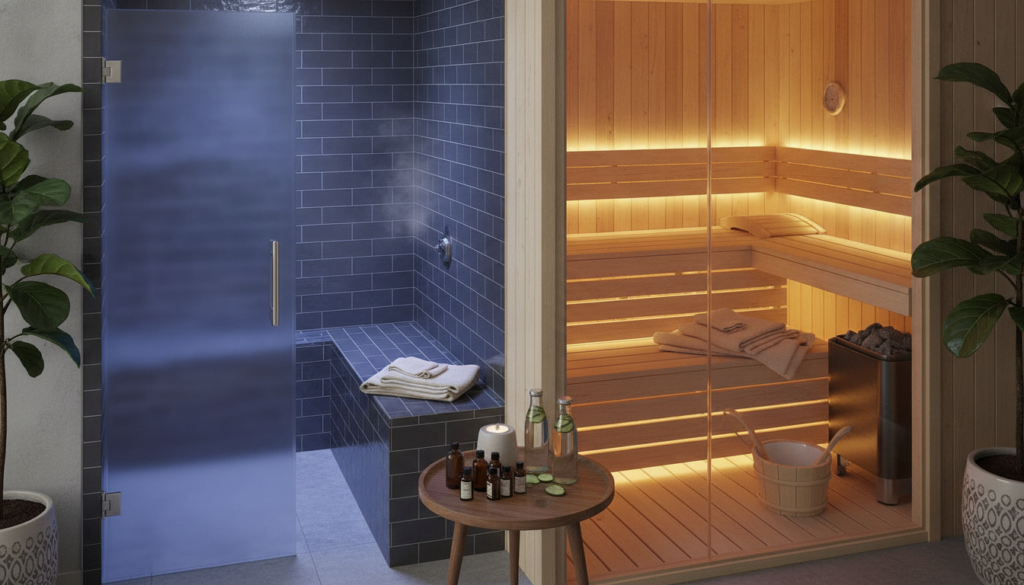
Choosing between a sauna and a steam room can be quite a task. Many people often confuse these two experiences, but they are fundamentally different. Understanding these differences is crucial to making the right choice for your wellness journey.
The tradition of using a sauna dates back over 2,000 years in Finland, where it is more than just a luxury—it’s a way of life. In the United States, particularly in Minnesota, you’ll find the highest number of saunas per capita. This highlights the growing interest in incorporating such elements into our daily lives.
Both options offer unique health benefits that can significantly enhance your well-being. Whether you seek deep muscle relaxation or respiratory relief, knowing how dry heat and wet heat affect your body is essential. This guide will help you explore the various features of these popular heat therapy options.
Key Takeaways
- Understanding the differences between these two options is essential for your wellness.
- Sauna traditions have a rich history, particularly in Finland.
- Both options can provide significant health benefits.
- Installing either can add value to your property.
- Knowing your specific needs will guide your choice.
Understanding the Core Differences
Exploring the core differences in heat delivery can help you make an informed decision. The most significant distinction lies in how heat is produced. Traditional experiences use dry heat, while the other relies on moist heat.
Steam rooms maintain a staggering 100% humidity, with temperatures ranging from 110-120°F. This creates a thick, opaque environment that feels hotter than it actually is. Because of the high humidity, sweat cannot evaporate, making the experience feel more intense for many people.
In contrast, traditional setups utilize electric heaters or wood-fired stoves. This allows you to control the humidity by adding water to hot rocks, creating a customizable experience. While steam rooms offer a consistent, passive environment, traditional setups invite you to actively participate in your session.
Understanding these fundamental differences helps you decide if you prefer the enveloping, moist heat of a steam room or the customizable dry heat of a sauna.
| Feature | Dry Heat (Sauna) | Moist Heat (Steam Room) |
|---|---|---|
| Humidity Level | Low | 100% |
| Temperature Range | 160-200°F | 110-120°F |
| Heat Experience | Customizable | Consistent |
| Sweat Evaporation | High | Low |
For more insights on enhancing your wellness routine, check out this helpful resource.
Temperature Ranges: From Dry Sauna to Steam Room
Knowing the specific temperature ranges can significantly influence your choice of heat therapy. The temperatures in these two environments vary greatly, affecting your experience and benefits.
Electric setups typically operate between 150-195°F. Most users prefer settings around 170-185°F for optimal comfort. A typical session lasts about 15-20 minutes, allowing for a deep relaxation experience.
In contrast, steam rooms maintain a lower temperature range of 110-120°F with a staggering 100% humidity. This high humidity level makes the heat feel more intense, similar to a 170°F dry sauna. Because of this, sessions in steam rooms are often shorter, lasting around 10-15 minutes.
In a traditional setup, you can enhance the humidity by pouring water over hot rocks, temporarily increasing humidity levels. This allows for a more customizable experience, which many find appealing.
| Feature | Dry Heat (Electric Sauna) | Moist Heat (Steam Room) |
|---|---|---|
| Temperature Range | 150-195°F | 110-120°F |
| Humidity Level | 10-20% | 100% |
| Session Duration | 15-20 minutes | 10-15 minutes |
| Perceived Heat | Customizable | Intense |
Health Benefits of Saunas
Understanding the health benefits of using a sauna can enhance your wellness journey. Regular sessions offer numerous advantages, particularly for your cardiovascular and brain health.
Research from Dr. Jari Laukkanen at the University of Eastern Finland indicates that 4-7 sauna sessions per week can lead to a 50% reduction in cardiovascular death. This significant finding highlights the positive impact of heat therapy on your heart.
Moreover, regular sauna use is linked to a 65% lower risk of Alzheimer’s disease. This benefit likely stems from increased production of brain-derived neurotrophic factor, which supports brain health.
In addition to cardiovascular benefits, saunas assist with muscle recovery. A 20-minute session at 176°F can boost growth hormone production by 2-5 times the baseline level, aiding in muscle repair.
While many hope for weight loss, a typical sauna session burns only 60-100 calories, similar to sitting. However, the overall health benefits extend beyond calorie burning.
| Health Benefit | Details |
|---|---|
| Cardiovascular Health | 50% reduction in cardiovascular death with 4-7 sessions/week |
| Brain Health | 65% lower risk of Alzheimer’s disease |
| Muscle Recovery | Increases growth hormone production by 2-5 times |
| Caloric Burn | Burns 60-100 calories per session |
Health Benefits of Steam Rooms
The benefits of steam rooms extend beyond mere relaxation. These spaces provide unique health advantages that can enhance your overall well-being.
One major benefit is respiratory relief. Steam rooms help clear sinus and lung congestion by warming the mucous membranes. This can be especially helpful for those suffering from chronic sinusitis or congestion.
Respiratory Relief and Skin Hydration
The high humidity in these rooms increases surface hydration, making them ideal for those with dry or sensitive skin. Additionally, the moist heat penetrates deep into muscle tissue, aiding in recovery from soreness.
Circulation and Inflammation Reduction
Regular use can improve circulation and lower blood pressure. A 2021 study found that steam baths reduced both systolic and diastolic blood pressure after just 12 weeks.
- Loosens mucus and phlegm for respiratory relief.
- Enhances skin hydration, perfect for dry skin.
- Helps alleviate delayed-onset muscle soreness.
- Improves circulation and lowers blood pressure.
- Reduces systemic inflammation, aiding overall health.
- Promotes clearer skin tone by opening pores.
Installation, Cost, and Maintenance Considerations
Evaluating the logistics and expenses of your heat therapy option is crucial for a successful setup. Understanding the installation requirements can save you time and money.
When installing a traditional setup, a professional electrician is needed to wire a 240V circuit for the heater. You might choose a pre-cut kit for convenience, but professional help is essential.
On the other hand, steam rooms come with more complexity. They require a sloped ceiling of at least 2 inches per foot to prevent condensation from dripping. This makes them more expensive to retrofit than a standard shower.
- Operating costs for a traditional setup are about $25-$45 per month with four sessions per week.
- Steam rooms cost around $20-$35 for the same frequency.
- Ensure proper drainage and ventilation in steam rooms to prevent mold growth.
- Always drink plenty of water before and after your session to avoid dehydration.
- Remember, saunas use wood to manage moisture, while steam rooms need non-porous materials like tile.
Modern Technology and Safety Features
Modern advancements have transformed how you can enjoy heat therapy. Today’s options come equipped with features that enhance both safety and convenience. With the right technology, your experience can be more enjoyable and secure.
Digital Controls and Wi-Fi Enabled Options
Many contemporary setups now feature Wi-Fi enabled controls like SaunaLogic2. This allows you to start your session right from your phone, making it easy to prepare before you even enter the space.
A steam generator acts as a sophisticated boiler, ensuring efficient steam delivery. It must be installed within 25 feet of the steam room to function correctly.
Essential Safety and Ventilation Aspects
Safety features in modern setups include auto-shutoff and over-temperature protection. These mechanisms help prevent the room from exceeding safe operating conditions.
Proper ventilation is crucial for a room sauna. An intake gap under the door and an outlet vent in the opposite corner ensures fresh air circulation. Steam rooms, on the other hand, require vapor-proof gaskets and spring-loaded hinges on the shower door to maintain an airtight seal.
Always remember to keep children under five away from these environments. It’s also wise to consult a doctor if you have any underlying health conditions.
sauna vs steam room for home: Making the Choice
Choosing the right option for heat therapy involves evaluating your personal preferences and lifestyle. Each option has unique benefits that cater to different needs.
When deciding, consider that traditional setups are generally better for individuals with conditions like rheumatoid arthritis or fibromyalgia. The dry heat can provide soothing relief for sore muscles and joints.
If you have limited space, converting an existing shower into a steam room is often more practical than building a dedicated area for a sauna. This option allows you to enjoy the benefits of moist heat without extensive renovations.
Both setups can enhance your home’s value. Many buyers view these installations as desirable luxury features, making them a worthy investment.
Ultimately, the choice between a sauna steam room and a steam room sauna comes down to your preference for dry versus moist heat therapy.
| Consideration | Sauna | Steam Room |
|---|---|---|
| Best for Conditions | Rheumatoid arthritis, fibromyalgia | Dry skin, respiratory issues |
| Space Requirements | More space needed | Can convert existing shower |
| Experience | Customizable heat | Consistent moist heat |
| Home Value | Increases resale value | Increases resale value |
Integrating Heat Therapy Into Your Daily Routine
Incorporating heat therapy into your daily routine can significantly enhance your wellness. Planning your sessions effectively will ensure you get the most out of each experience.
Planning Post-Workout Sessions
Many professional athletes utilize heat therapy 3-5 times a week for optimal recovery. A session lasting 15-20 minutes is often recommended for general health benefits.
If you choose to use a sauna after workouts, it can help increase growth hormone production. This process aids in clearing metabolic waste from your muscles, promoting faster recovery.
For those opting for steam rooms, the gentle heat is ideal after low-intensity exercises. It helps relax your body while providing a soothing experience.
Adapting Frequency for Health Goals
To maximize the benefits of your routine, aim for 3-4 sessions per week. Always ensure your skin dries completely between steam room visits to prevent bacteria growth.
Hydration is key; drink enough water to replace fluids lost through sweat. Regular use of both saunas and steam rooms can help your body acclimate to heat, improving overall stress tolerance and cardiovascular health.
| Frequency | Type of Heat Therapy | Benefits |
|---|---|---|
| 3-5 times/week | Sauna | Increases growth hormone, clears metabolic waste |
| 3-4 times/week | Steam Room | Gentler recovery, relaxes muscles |
| Post-Workout | Both | Enhances recovery and relaxation |
Conclusion
Selecting the best choice for your heat therapy needs requires careful consideration. Ultimately, your preference for dry or moist heat will guide your decision. While both options offer significant health benefits, traditional setups are often more versatile for cardiovascular health and muscle recovery.
On the other hand, moist environments excel in providing respiratory relief and skin hydration, ideal for those with dry skin or sinus issues. Remember, neither option is a magic solution for weight loss, as most of the weight lost during a session is just water.
Always prioritize safety by staying hydrated and consulting with a medical professional if you have any pre-existing conditions. Whether you choose a sauna or a steam room, adding this luxury to your daily routine can greatly enhance your relaxation and overall health.