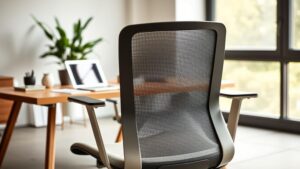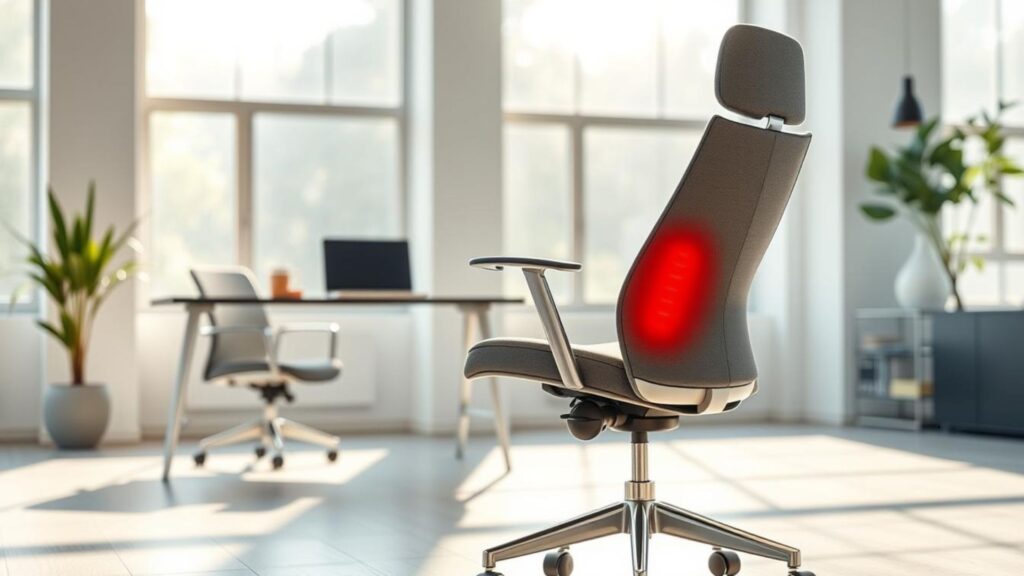
Choosing the right chair matters. Even the best office chair will feel wrong if the fit is off at your desk. We’ll help you match body, seat, and workspace so long workdays stay comfortable (because, honestly, nobody wants to end a day feeling like they wrestled their chair).
Three sizes—A, B, and C—cover a wide range of people. The design uses breathable 8Z Pellicle mesh and adjustable ergonomic features to support long sessions without overheating. You’ll learn what each size feels like at the edges of the seat and back so you can pick the right fit.
We use simple criteria—height, weight, and “seat feel”—so you can narrow options fast. We’ll also explain how dimensions affect posture at your desk and in meetings, and how to check space at home or in the office. And if you’re comparing Herman Miller chairs in general, this sizing piece is one of those “save yourself a return” reads.
Madison Seating guides you through practical checks, not pushy sales talk, so you buy with confidence and enjoy the chair for days and years to come. (That’s the goal, right?)
Key Takeaways
- A correct fit keeps you comfortable through full workdays.
- Sizes A, B, and C change seat width, depth, and back feel.
- Measure height and seat feel before you buy.
- Check desk clearance and room at home or in the office.
- Madison Seating offers hands-on guidance to choose the right product.
Quick aside: Madison Seating carries a wide selection of Herman Miller products, including pre-owned and refurbished options, and ships within the U.S. That matters if you’re trying to balance comfort, timing, and budget without overthinking it.
Why Aeron Fit Matters for Comfort, Posture, and Long Workdays
A well-fitting chair changes how your body feels after an eight-hour day at a desk. Get the match right, and you leave work with less stiffness, fewer pressure points, and more energy for evening plans.
What three sizes really change compared to one-size chairs
Three sizes change more than the seat width. They adjust seat-to-back proportions, tilt feel, and base footprint so your body settles in naturally. That alters where pressure builds and how your hips and shoulders align. It’s not “marketing math”— it’s the difference between feeling supported versus perched.
Mesh support and cooling with 8Z Pellicle
The 8Z Pellicle uses eight zones of support to reduce hot spots and improve airflow. For people who work from a warm home office or long office shifts, the mesh helps maintain comfort over time. If you’ve ever stood up and thought, “Why is my back this sweaty?”… yeah. The mesh helps with that.
How a proper fit supports neutral posture
PostureFit SL helps keep the sacral region supported so your spine keeps a healthy S-curve. The right seat depth and back coverage cut down edge pressure and shoulder tension. We’ll explain why fit matters at 9 a.m. and late afternoon.
Madison Seating helps you check fit in a practical way—so you buy with confidence. And if you’re browsing Herman Miller office chairs for a shared office, this “fit first” approach keeps everyone happier (and quieter).
Herman Miller Aeron Size: Pick A, B, or C Using Height and Weight
Start with two simple numbers—your height and your weight—to find the best chair match. This quick check trims options fast, so you can test and feel rather than guess.
Size A fit range and capacity
Size A suits smaller frames. Recommended range: 4’10″–5’9″ and 90–150 lbs. Expect a compact seat and narrower hips.
Who it’s for: people who work close to a desk or have slim shoulders.
Size B fit range and capacity
Size B is the most common choice. Recommended range: 5’2″–6’6″ and 130–325 lbs. It balances seat width and back coverage for everyday office tasks.
Size C fit range and capacity
Size C gives more room at the seat edges and upper back. Recommended range: 5’3″–6’7″ and 180–350 lbs. Choose this if you want extra clearance without sacrificing support.
When you’re between sizes
If your height and weight fall near two options, use these cues: Do you feel the frame at your hips? Does the backrest support your upper back fully? A slight edge contact means try the larger size for comfort. One more “real life” test: sit how you actually work. If you lean forward a lot (typing, spreadsheets, design work), pay extra attention to seat edge pressure behind the knees.
Weight capacity and warranty context
Rated capacities: Size A up to 300 lbs; Sizes B and C up to 350 lbs. The manufacturer backs the product with a 12-year warranty for robust use—helpful when you expect long-term value. (Nobody wants a “great chair” that feels questionable in year two.)
We’ll guide you with practical checks, so you pick the right option for your daily position. Madison Seating helps you choose the fit that works in real life—not just on paper.
Compare Key Dimensions That Affect Your Fit at the Desk
A few inches of seat depth or arm spacing decide whether you sit comfortably or fidget all afternoon. This is where people usually say “the chair looked fine,” and then they realize the chair doesn’t tuck under the desk the way they expected.
Seat height ranges and desk matching
Seat height sets the base for good posture. Check the range: A 14.4″–19.3″, B 14.8″–22.8″, C 15.8″–22.8″. Measure your desk and keyboard height so your forearms are parallel to the desk. Use a footrest if your feet don’t land flat.
Seat depth differences and fixed depth tradeoffs
Depth changes by model: A = 16″, B = 17″, C = 18.5″. Note: the seat depth is fixed. If the seat hits behind your knees or leaves a large gap, choose a different model rather than relying on sliding adjustments. The “two to three finger gap” rule behind the knee is still the simplest check—and yep, it’s still useful.
Width, arm spacing, and base footprint
Frame width typically runs 27.5″–28.3″; fully adjustable arms add width up to 31.6″. Arm spacing is roughly 16″ (A), 17″ (B), 18″ (C). For tight rooms, a 27″ base footprint helps you plan clearance and swivel space.
| Dimension | Size A | Size B | Size C |
| Seat height (range) | 14.4″–19.3″ | 14.8″–22.8″ | 15.8″–22.8″ |
| Seat depth | 16″ | 17″ | 18.5″ |
| Overall width (w/ arms) | 27.5″ (to 29.3″) | 28.3″ (to 30.4″) | 28.3″ (to 31.6″) |
| Armrest spacing | ~16″ | ~17″ | ~18″ |
Arm options and practical tradeoffs
Armless or fixed arms let you tuck the chair closer to the desk. Fully adjustable arms (7.5″–11.5″) give more ergonomic positioning but increase width. Madison Seating recommends measuring desk clearance, arm spacing, and your shoulder width before you buy—measure twice, buy once—to avoid returns and get long-term comfort.
And if you’re shopping for more than just Aeron—say you want a chair that plays nicely in a conference room or a lighter secondary workspace—take a look at the Herman Miller Caper chair as a versatile option. Different vibe, but still very “sit down and focus.”
Dial In Support and Adjustments After You Choose Your Size
With the right frame chosen, you can focus on support settings that match your daily tasks. These final choices tune how the chair moves with you and where pressure lands on your spine. We’ll walk through simple, practical options so you leave with a setup that fits your work rhythm.
PostureFit SL vs adjustable lumbar vs no additional support
PostureFit SL supports the sacral area and adds a secondary pad for natural spinal shape. It helps keep good posture during long focus sessions. Adjustable lumbar gives targeted lumbar support you can tune by depth—good when you need a bit more curve. No additional support works if you prefer minimal contact or already use a lumbar pillow.
If you prefer a slightly different kind of “back support feel” than Aeron’s mesh, the Herman Miller Celle task chair is worth a peek—especially for folks who want a supportive, adaptable task chair without getting lost in a million tiny settings.
Tilt options and forward working position
The standard tilt offers smooth recline. Choose a tilt limiter when you want set angles for tasking. Forward tilt benefits heavy typers who prefer an active, forward position. If you catch yourself leaning toward the keyboard all day, forward tilt can feel like a small cheat code.
Arm pads, Harmonic 2 Tilt, and casters
Choose arm pads for comfort—standard for everyday use, leather for a premium feel and durability. Harmonic 2 Tilt moves with you, easing micro-breaks without losing task posture. Pick 2.5″ carpet casters for rugs; roll-away resistant wheels for hard floors to protect surfaces and reduce noise.
For people who move a lot (collab work, standing up constantly, pivoting between screens), the Herman Miller Mirra chair is another strong ergonomic pick—Mirra’s design is all about responsive support while you shift positions.
Conclusion
A short series of practical checks will turn product specs into a chair that fits your day.
Start with height and the recommended range, then confirm by sitting—note edge clearance and backrest coverage. Check seat height versus your desk so your forearms stay level.
Pick options like lumbar support, tilt settings, arm pads, and casters to refine comfort after you choose the base frame. Look for the Aeron’s size markers (the small braille-like bumps) and the manufacturer label to verify authenticity.
Remember: Herman Miller backs the model with a 12-year warranty for multi-shift use. If you want a second opinion on fit or configuration, Madison Seating is ready to help you choose the right Herman Miller Aeron for your space and posture. And if you’re browsing across categories (not just Aeron), check out Herman office chairs for alternatives and deals—sometimes the “right” chair isn’t the one you expected walking in.
One last thing: if you’re shopping for something lightweight and simple (guest chair, quick sit-down space, smaller home office), keep an eye out for a Herman Miller Setu chair sale since Setu is often a nice “clean and easy” option when you don’t need a deep adjustment list.
FAQ
How do I choose the right Herman Miller Aeron size for my body?
Start by matching your height and weight to the manufacturer’s fit ranges for sizes A, B, and C. Sit in each size if possible—check that your feet sit flat, thighs have light clearance from the seat front, and the back supports your lumbar. Consider your desk height and typical clothing (thicker layers may need a bit more seat space). If you can’t test in person, use the official sizing chart and err toward the larger size when between two options.
Why does fit matter for comfort, posture, and long workdays?
A proper fit keeps your spine in a neutral position, distributes pressure evenly, and reduces muscle strain during long hours. The right seat depth and back contact help maintain an open hip angle and support lumbar curves—so you stay comfortable and focused instead of shifting or slouching every few minutes.
What do the “three sizes” change compared to one‑size office chairs?
Offering three sizes lets the chair match body proportions more closely—seat width, depth, and back height vary to suit smaller, average, and larger frames. That tailored fit improves contact with the Pellicle mesh and reduces pressure points common in one‑size designs.
How does the 8Z Pellicle mesh help in home and office use?
The 8‑zone Pellicle distributes support across zones with different tensions. That provides targeted pressure relief, better spinal alignment, and airflow for cooling—helpful whether you work from home or in an office all day.
How does a proper fit support neutral posture and reduce pressure points?
When the seat and back align with your pelvis and lumbar curve, weight spreads across the surface instead of concentrating on the tailbone or thighs. Neutral posture—hips slightly higher than knees, back supported—reduces tension in the lower back and hips.
Who should choose Size A and what is its capacity?
Size A fits smaller frames and shorter users who need a compact seat and narrower back. It’s ideal if you find larger seats leave too much empty space or make it hard to reach armrests comfortably. Check the specific fit chart for exact height and weight ranges.
When is Size B the right choice?
Size B is the most common middle fit for average‑height adults. It balances seat depth and width for a wide range of users and works well for most desk setups. Choose it if you fall in the mid-range of height and weight charts.
Who should consider Size C and why?
Size C is for taller or larger bodies that need extra seat depth and wider back support. It gives more room in the seat and behind the shoulders, reducing edge pressure and improving long‑term comfort for bigger frames.
What if I’m between sizes—how do I decide?
Try both sizes if possible. Focus on how the seat edge meets your thighs and whether the lumbar support aligns with your lower back. If you can’t test, choose the larger size for more room, or base your choice on how you sit—upright for smaller seats, more reclined for larger ones.
What is the weight capacity, and how does warranty play into sizing?
Each size has a specified weight range; follow the brand’s guidelines to ensure safe, durable performance. The warranty covers defects and expected performance within those limits—using a chair outside its recommended range can affect longevity and warranty claims.
How do seat height ranges match my desk setup?
Seat height should let your elbows rest roughly level with the desk and keep forearms parallel to the floor. Measure your desk height and choose a chair range that places your knees at about 90 degrees with your feet flat. Adjustable gas lift lets you fine‑tune the match.
How does seat depth differ by size, and why does Aeron’s fixed depth matter?
Depth increases from A to C to accommodate longer thighs. Aeron’s seat depth is effectively fixed per size, so pick the size that leaves a comfortable two‑to‑three finger gap between the seat edge and the knee to avoid pressure on the hamstrings.
How do chair width and armrest distance affect shoulder and hip comfort?
Width and arm spacing determine how naturally your arms and shoulders align. Too narrow feels cramped; too wide reduces arm support. Choose the size and arm option where your shoulders don’t flare, and your hips have even support.
Does backrest height vary across A, B, and C, and why does it matter?
Back height increases with size, offering more upper‑back and shoulder coverage on larger models. Taller backrests support a broader range of spine lengths and help maintain posture for taller users.
How does the chair’s footprint affect small home offices?
Larger sizes have wider bases and need more floor space to swivel and recline. Measure your workspace—include clearance behind the chair—and choose the smallest size that fits your body comfortably to optimize space.
How do armless, fixed, and fully adjustable arms change chair width?
Armless models reduce total width and allowa closer desk fit. Fixed arms set a permanent spacing, while fully adjustable arms let you tailor width, height, and pivot for precise elbow support. Adjustable arms are best if you share the chair or change tasks frequently.
What’s the difference between PostureFit SL, adjustable lumbar, and no additional support?
PostureFit SL provides targeted sacral and lumbar support that helps maintain natural spine curvature. Adjustable lumbar lets you fine‑tune firmness and position. No extra support works if your posture habits and body shape already align well with the backrest—otherwise, choose one of the support options for longer comfort.
How do tilt options differ—standard tilt vs tilt limiter and forward tilt?
Standard tilt offers a smooth recline and dynamic support. A tilt limiter lets you set the maximum recline angle for focused work. Forward tilt slightly angles the seat forward for active, task‑oriented postures—useful for typing or precision work that benefits from a more upright torso.
What arm pad choices are available, and which should I pick?
Options include standard soft arm pads for daily comfort and leather pads for a premium look and firmer surface. Choose leather if you want a sleeker aesthetic and easier cleaning; pick soft pads for cushioning during long typing sessions.
How does the Harmonic 2 Tilt affect recline feel and tasking posture?
Harmonic 2 provides smooth, controlled recline with tuned resistance through the range of motion. It supports movement without sudden shifts—helpful for switching between focused tasks and relaxed reading while maintaining ergonomic support.
Which casters should I choose for carpet vs hard floors?
Use soft casters (rubberized) for hard floors to prevent scuffs and provide a smoother roll. For carpeted floors, standard hard casters roll better and require less effort. If needed, add a floor mat for protection and easier movement.