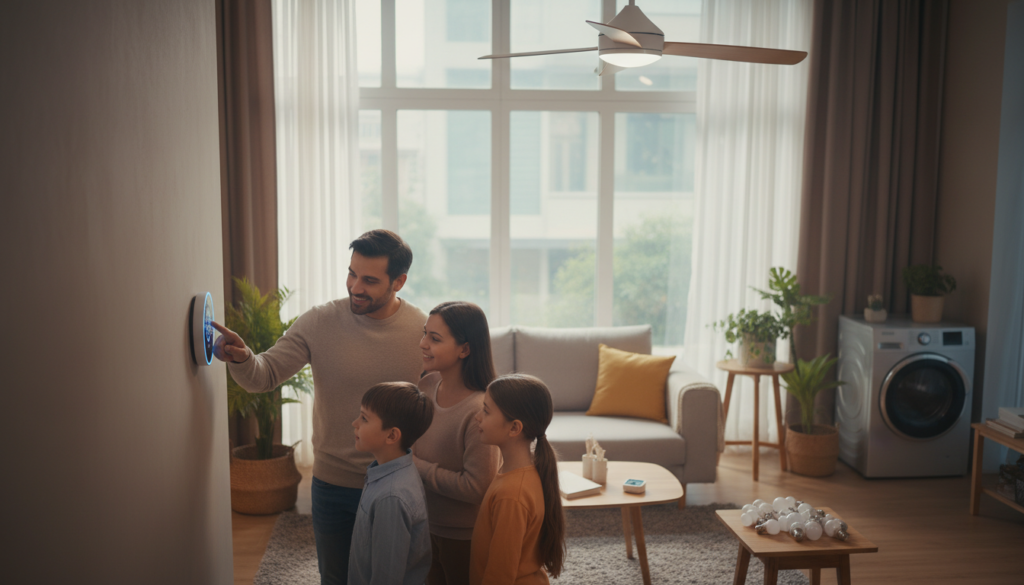
Surprising fact: the average U.S. household wasted nearly 30% of its heating and cooling last year due to poor envelope and systems — enough to pay for a mid-range upgrade in just a few years.
You can reclaim that waste and cut monthly costs by choosing small, smart improvements. Start with clear priorities: seal leaks, swap bulbs, and consider efficient appliances. These moves often pay back faster than many expect, and they boost your property’s value.
If you need funding, you can discuss financing options by calling 1-888-253-0799. Professionals can help you weigh the best options and plan work that fits your budget and timeline.
Taking a bit of time to plan the right upgrades delivers steady savings and makes your living space more comfortable. This guide shows practical ways you can act, what costs you might face, and where savings often show up first.
Key Takeaways
- Small, targeted improvements can cut monthly utility costs and add home value.
- Focus on sealing, efficient lighting, and smarter appliances for quick wins.
- Plan work carefully; modest investments often yield solid long‑term savings.
- Explore financing options by calling 1-888-253-0799 when cash flow is tight.
- Tracking use and costs helps you spot the best places for future upgrades.
Understanding Your Home Energy Consumption
Start by mapping where your home spends the most power each month. A clear snapshot makes it easier for you to spot the biggest drains and plan fixes.
The U.S. Department of Energy says tracking usage is the first step toward better efficiency. When you log meter readings, appliance runs, and thermostat settings, patterns appear.
Monitor the systems that matter most: heating, cooling, refrigeration, and lighting. This gives you the facts needed for choices that boost comfort and deliver real savings.
Simple tracking habits often reveal the quickest wins. Check monthly statements, note high-use days, and test suspect devices for phantom loads.
- Identify top power draws and their run times.
- Compare rooms for comfort differences.
- Prioritize upgrades based on measured consumption.
| System | Common Issue | Typical Impact |
|---|---|---|
| Heating/Cooling | Poor seals, old units | High power use, uneven comfort |
| Refrigeration | Old seals, frequent door opening | Continuous run, higher utility costs |
| Lighting & Electronics | Outdated bulbs, phantom loads | Steady background consumption |
How to Reduce Energy Bills at Home with Simple Upgrades
An audit peels back layers of unseen loss and shows clear paths for better performance. Start with a quick check of doors, windows, attic access, and major appliances. That gives a snapshot you can act on.
Conducting a Home Energy Audit
Do a room-by-room walk and note drafts, odd sounds, or long run-times. Use a basic meter for appliance draw or call a pro for a blower-door test.
- Record thermostat settings and schedules.
- Check seals, insulation, and vents.
- List appliances older than ten years for replacement consideration.
Identifying High-Impact Projects
Many homeowners start with projects that return most value first: sealing leaks, swapping inefficient appliances, and improving insulation.
| Project | Typical Benefit | Estimated Payback |
|---|---|---|
| Air sealing (doors/windows) | Improved comfort, lower heating/cooling use | 1–3 years |
| Appliance replacement | Lower run-time and power draw | 2–6 years |
| Attic insulation | Reduced heat transfer, steadier temps | 3–7 years |
“The Department of Energy finds many homes can cut nearly a quarter of utility costs by fixing key issues.”
Focus on options that match your budget. Small investments often yield steady savings and make your home run better.
Improving Insulation and Air Sealing
A snug building envelope keeps warm air where you want it and cuts needless drafts.
Adding insulation is critical: about 90% of single‑family houses lack enough material to stop heat loss. Upgrading attic and wall insulation raises comfort and lowers monthly heating costs.
Sealing drafts and air leaks is a high‑impact, low‑cost move. The U.S. Department of Energy estimates draft sealing can cut heating cooling costs by 5%–30% each year.
Sealing Drafts and Air Leaks
- Find gaps at door frames, recessed lights, and attic hatches.
- Use caulk, weatherstripping, and foam for quick fixes.
- Consider modern insulation models for attics and rim joists.
Many homeowners report steady savings after combining air sealing with added insulation. That pairing reduces the air a system must condition and improves overall efficiency.
Upgrading to Energy Efficient Appliances
Modern kitchen and laundry machines can deliver big savings while improving daily comfort and performance.
Start by prioritizing refrigerators, dishwashers, and washers. These are major draws of electricity and water in your home. Choosing newer, certified models pays off in lower utility use and longer-lasting performance.
Refrigeration Efficiency
ENERGY STAR refrigerators can cut energy consumption by up to 40% versus older units. Look for inverter compressors and LED lighting; both boost cooling performance while using less power.
Modern Dishwasher Features
New dishwashers use smart cycles and better spray designs that use less water and less electricity. Many models now outperform handwashing on both cleanliness and utility savings.
High-Efficiency Laundry Systems
High-efficiency washers use sensors to match water levels to load size. That saves water and reduces tumble time, lowering overall energy use per cycle.
- Investment benefit: lower monthly utility costs and improved comfort.
- Top features: inverter motors, sensor cycles, and LED lighting.
- Tip: replace the biggest, oldest units first for the fastest payback.
| Appliance | Key Feature | Typical Benefit |
|---|---|---|
| Refrigerators | Inverter compressor, LED | Up to 40% less power use |
| Dishwashers | Sensor wash, efficient jets | Less water and electricity per load |
| Washers | Load-sensing, faster spin | Lower energy consumption and quicker cycles |
Optimizing Your Heating and Cooling Systems
Nearly half of your utility spend goes toward keeping indoor temperatures steady, so targeted fixes here pay off fast.
Start with regular service. A seasonal tune‑up for furnaces, heat pumps, and AC units improves performance and prevents wasted power. That simple step often lowers monthly utility costs and extends equipment life.
Mind the airflow. Clean filters, clear vents, and sealed ducts keep conditioned air where you need it. Better airflow reduces run times and cuts cooling costs during hot months.
- Set sensible schedules: use programmable thermostats and setback periods for less use when rooms are empty.
- Balance the system: zone controls or dampers help keep every room comfortable without overworking the unit.
- Consider upgrades: modern, efficient systems yield lasting savings and steady comfort across seasons.
For a practical guide and local incentives, see the smart homeowners guide.
Smart Lighting Solutions for Every Room
Bright, efficient lighting changes how your rooms look and how much power they use. Upgrading fixtures is quick and often pays back fast through lower energy use and longer bulb life.
Switching to LED Technology
LED bulbs use about 75% less power than incandescents and last far longer. That means fewer replacements, less maintenance time, and steady savings over the years.
Heat from old bulbs is a hidden cost. Incandescents turn most power into heat, which raises indoor temps and forces cooling systems to work harder.
- Replace the five fixtures you use most and you could save roughly $45 per year.
- LEDs reduce unwanted heat in living areas and keep rooms more comfortable.
- Combine LEDs with smart controls for targeted use and less overall run time.
Tip: pick warm‑tone LEDs for living spaces and brighter cool tones for task areas. That mix improves comfort while keeping power use low.
Leveraging Strategic Landscaping for Natural Climate Control
Plants placed with purpose change sun exposure and wind patterns, which lowers demand on mechanical systems. This approach trims system run time and improves indoor comfort.
Smart planting is one of the most cost‑effective improvements you can make for long‑term savings. The U.S. Department of Energy notes properly placed trees can save up to 25% of the energy a typical household uses for climate control.
- Shading and windbreaks can cut unshaded cooling costs by 15–50%.
- Deciduous trees on the south side block 70–90% of summer sun while letting winter heat in.
- Evergreens on the north and northwest act as winter windbreaks, lowering heating costs.
- A well‑designed yard often pays back as an investment in under eight years via lower utility costs and added value.
Think of landscaping as a passive system that shifts air flow and solar gain. With a few planned plantings, you change how your home meets heat and cooling, and you reap steady savings.
Adopting Daily Habits for Lower Utility Costs
Small daily choices add up, and routines you adopt now will lower monthly utility use. These actions do not cost much, but they change energy consumption and water use over time.
Start with small electronics. Unplug chargers, game consoles, and idle media boxes when they are not in use. Phantom power can quietly raise your utility totals each month.
Managing Small Electronics
Use power strips for clusters of devices so you can cut power with a single switch. Set phone and laptop charge cycles so gadgets are not plugged in all day.
Tip: smart plugs let you schedule off times for entertainment centers and desk gear. That keeps power waste low without extra effort.
Optimizing Water Usage
Wash clothes in cold water and run full dishwasher loads. These moves save both water and electricity, and they extend appliance life.
Set your refrigerator between 35°F–38°F and the freezer near 0°F. Proper temps help appliances run with better performance and less wear.
Choose high-efficiency appliances when replacing major units. ENERGY STAR models and modern washers and dryers often use less water and electricity while cleaning better.
| Habit | Benefit | Quick Action |
|---|---|---|
| Unplug idle electronics | Lower phantom power draw | Use power strips |
| Cold-water laundry | Less electricity, gentler fabrics | Choose cold cycles |
| Full dishwasher loads | Better water efficiency | Run only full loads |
| Proper fridge temps | Optimal cooling performance | Set 35°F–38°F |
Many homeowners find that steady habits, combined with energy-efficient appliances and occasional maintenance, lead to noticeable savings. Small steps now save time and money later.
Conclusion
A few focused fixes often cut monthly costs and make rooms feel better all year.
Insulation and properly chosen appliances are long‑term investments that pay back through lower utility use and lasting performance.
Look for the ENERGY STAR label when you shop. Swap old bulbs for LEDs and mind water habits to trim electricity and water use.
Take action now and you’ll enjoy better comfort, fewer surprises in monthly cost totals, and steady savings from smarter systems and thoughtful choices.